
Healthy hair routines are rarely about one miracle product. A healthier hair care routine is built from small, repeatable choices: how you cleanse your scalp, how you condition your lengths, how you style with heat protection for hair, and how you use damaged hair repair treatments before breakage starts. You don’t need a 12-step routine—just the right products for your hair type and a few consistent habits that protect the cuticle, reduce friction, and control frizz.
This hair care advice guide follows a simple structure—cleanse, condition, treat, protect—while also working as a shampoo buying guide and product buying framework for conditioners, deep conditioning treatments, leave-ins, and heat protectants. You’ll learn how to read labels, what ingredients matter for moisture vs. repair, and which routine mistakes can slow progress in hair color upkeep, styling, and long-term hair health.
Step 1: Cleansing that doesn’t strip
Shampoo choices should be based on scalp needs first and hair lengths second, which is the foundation of any weekly hair care routine. If your scalp gets oily quickly, you may need more frequent cleansing with gentler surfactants; if it feels dry or tight, prioritize soothing formulas and avoid over-washing so you don’t trigger extra dryness and frizz.
A clean scalp supports healthier growth, but squeaky-clean lengths often mean your cuticle has been over-stripped. For better frizz control tips and less breakage, focus shampoo at the scalp and let the suds rinse through the ends rather than scrubbing them.
What to look for when buying shampoo
- Gentle cleansing agents (often described as “sulfate-free” or “low-foam”) if your hair is colored, curly, or prone to dryness.
- Clarifying shampoo (used occasionally) if you use heavy styling products, dry shampoo, or live in hard-water areas.
- Scalp-support ingredients like zinc pyrithione alternatives, salicylic acid (for buildup), or calming botanicals if you’re sensitive.
If you’re unsure, start with a mild regular shampoo and add a clarifier once every 2–4 weeks as part of your weekly hair care routine. Clarifying too often can increase dryness and frizz, especially on porous hair or hair that needs extra hair color upkeep.
Step 2: Conditioning for softness and slip
Conditioner is a core step in a healthier hair care routine because it improves slip, reduces friction, and helps hair feel smoother by aligning the cuticle. For easier detangling and less breakage, apply conditioner mainly from mid-lengths to ends, then detangle gently with your fingers or a wide-tooth comb.
Slip prevents breakage during detangling, which is one of the most common sources of mechanical damage. If you regularly hear snapping while brushing, the fix is often better conditioning or a deep conditioning treatment—not automatically a stronger “repair” product.
How to choose a conditioner by hair type
Fine hair typically does best with lightweight conditioners labeled “volumizing” or “weightless,” while thick, coarse, or curly hair often benefits from richer formulas that support frizz control and softness. If your hair tangles easily, prioritize “detangling” or “smooth” claims, and consider pairing your conditioner with a weekly deep conditioning treatment for better manageability.
Step 3: Treatments—repair vs. moisture vs. scalp care
Hair treatments can be transformative when they match the problem you’re actually solving in your hair care routine. “Damage” can mean dryness that needs a moisture hair mask, weakness that responds to a protein hair mask, chemical/heat stress that benefits from a bond repair treatment (including an Olaplex alternative or a K18 treatment style approach), or buildup that calls for a scalp detox mask.
| Treatment type | Best for | Key clues on labels | How often |
|---|---|---|---|
| Hydrating mask | Dryness, frizz, rough feel | Glycerin, panthenol, aloe, fatty alcohols | 1× weekly (or as needed) |
| Protein/strength mask | Weak, limp hair; breakage from over-processing | Hydrolyzed keratin/proteins, amino acids | Every 2–4 weeks (adjust by feel) |
| Bond-building treatment | Bleached, highlighted, heat-damaged hair | “Bond repair,” “rebuilding,” patented bond tech | 1× weekly to 1× monthly |
| Scalp exfoliant/serum | Buildup, flakes, itch, oily roots | Salicylic acid, gentle acids, soothing agents | 1× weekly or per instructions |
Repair works best when you alternate within your weekly hair care routine: a moisture hair mask for softness, then targeted strengthening with a protein hair mask or a bond repair treatment if you truly need damaged hair repair. Too much protein can make hair feel rigid, while too much heavy moisture can weigh down fine hair or contribute to buildup at the roots.
Step 4: Leave-ins and heat protection
Leave-in conditioner bridges wash day and styling day by helping retain moisture, reducing tangles, and creating a smoother base for blow-drying or air-drying. If you use hot tools, heat protection for hair is essential for minimizing moisture loss and surface damage, and it can also improve hair color upkeep by reducing heat-related fading.
Heat protectant is non-negotiable for frequent styling. Look for products that clearly mention heat protection for hair with a stated temperature range, and apply evenly through the lengths. Using a small amount on soaking-wet hair before blow-drying often distributes product more uniformly than applying on dry hair, which supports smoother results in hair tools reviews and real-world styling.
Styling habits that protect hair
- Lower the temperature first; change technique second. Many people can get similar results with less heat and a better brush or sectioning.
- Use tension strategically: gentle, consistent tension beats aggressive pulling that causes breakage at the hairline.
- Choose snag-free elastics and avoid tight styles daily, especially if you notice thinning around the temples.
- Sleep on a smooth surface (like satin-like fabric) and loosely secure long hair to reduce friction and tangling.
Buying guide: how to pick products that actually match your hair
Marketing often focuses on hair “goals,” but a smarter product buying approach is to shop based on how your hair behaves in your current hair care routine: oiliness at roots, dryness at ends, tangling, frizz in humidity, flatness, or breakage. When comparing products—whether you’re reading hair tools reviews, hair dryer reviews, or choosing masks—use these practical filters to match formulas to your needs.
1) Scalp condition: oily, dry, sensitive, flaky, or balanced. This determines your shampoo buying guide priorities and whether a scalp detox mask or exfoliant belongs in your weekly hair care routine.
2) Strand thickness: fine vs. medium vs. coarse. This influences how heavy a conditioner, moisture hair mask, or leave-in can be without weighing hair down.
3) Porosity and damage level: colored/bleached hair often needs more deep conditioning treatments and bond support (Olaplex alternative options or a K18 treatment type product), while virgin hair may only need hydration and heat protection for hair.
Quick “review-style” checklist for any product
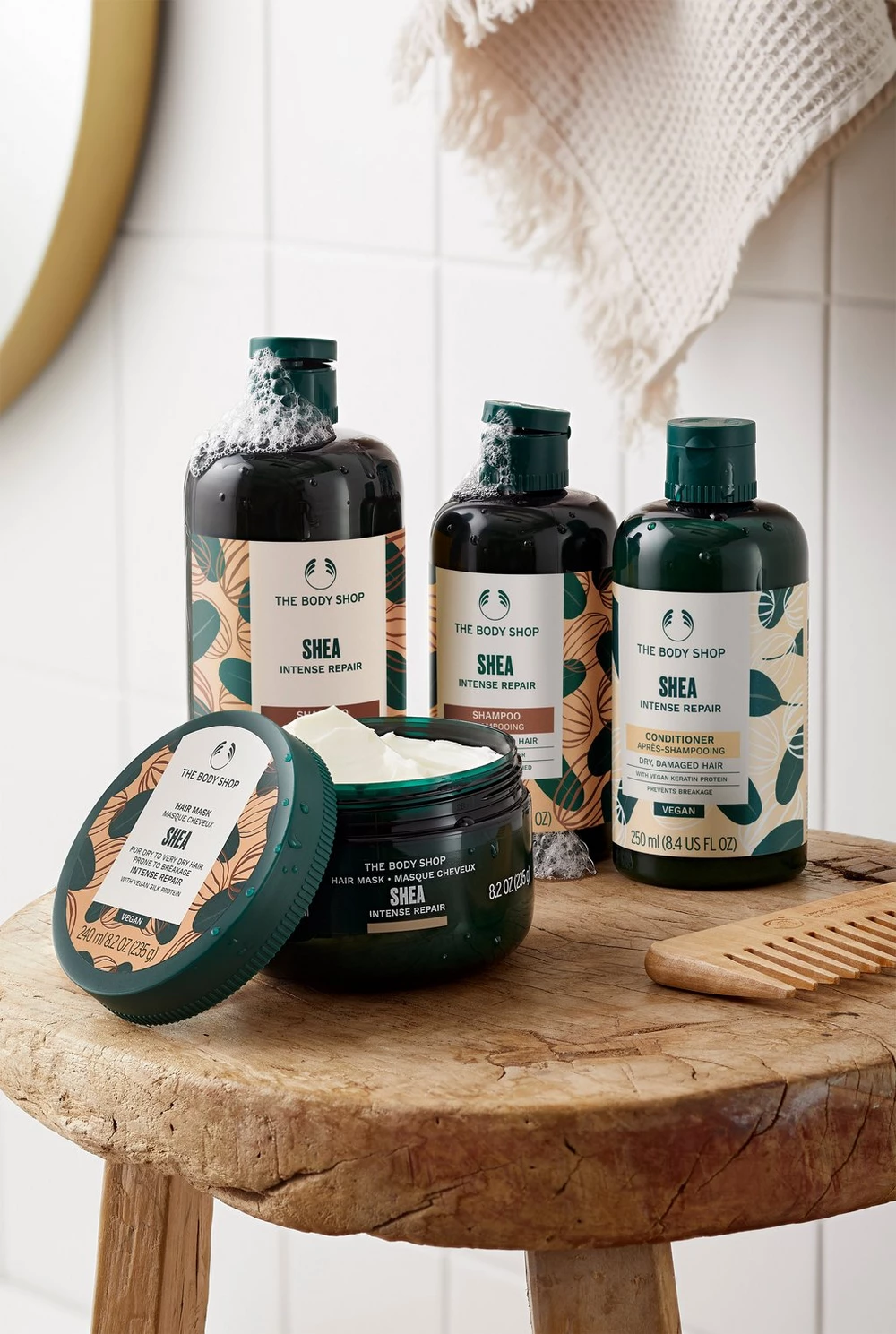
When you test a new shampoo, conditioner, deep conditioning treatment, or bond repair treatment, give it at least 3–5 uses unless it clearly irritates your scalp. Evaluate it like a mini review: does it improve slip, reduce tangles, and support frizz control without buildup?
Does your hair feel softer when wet (good slip)? Does it detangle with less effort? Do the ends look smoother after drying? Is your scalp comfortable on day two? If a product makes hair feel great on day one but worse after repeated use, you may be dealing with buildup, too much protein from a protein hair mask, or not enough hydration from a moisture hair mask.
Common routine mistakes (and easy fixes)
Over-washing the lengths is a frequent hair care routine issue: scrubbing ends with shampoo can increase dryness, frizz, and split ends. Another common mistake is applying heavy oils before cleansing and expecting a gentle shampoo to remove them easily; this can lead to extra scrubbing, tangling, and more damaged hair repair needs later. If you love oiling, use a small amount on the ends and pair it with an effective but gentle cleanser.
Also watch out for “everything shower” overload: clarifying shampoo, a scalp detox mask, a strong protein hair mask, and high-heat styling without proper heat protection for hair all in one day can leave hair stressed. Spread intensive steps across the month so your weekly hair care routine stays consistent and your hair responds better to deep conditioning treatments and bond repair treatments.
A simple routine you can copy
If you want a straightforward weekly hair care routine, try this for four weeks and adjust based on results and styling needs.
Regular wash days: gentle shampoo (scalp only) + conditioner (lengths) + leave-in + heat protectant if styling. Once weekly: swap conditioner for a moisture hair mask or other deep conditioning treatments. Every 2–4 weeks: clarify, then follow with a hydrating mask. If you bleach, wear extensions (see your hair extensions guide for maintenance basics), or heat-style often, add a bond repair treatment weekly or biweekly—whether that’s an Olaplex alternative or a K18 treatment type product.
With the right basics and consistent heat protection for hair, you’ll notice less breakage, smoother ends, and easier styling. The goal isn’t perfect hair—it’s a hair care routine that supports scalp comfort, hair color upkeep, and reliable results whether you’re air-drying, using hot tools, or comparing hair dryer reviews like an Andis hair dryer review for your styling setup.