
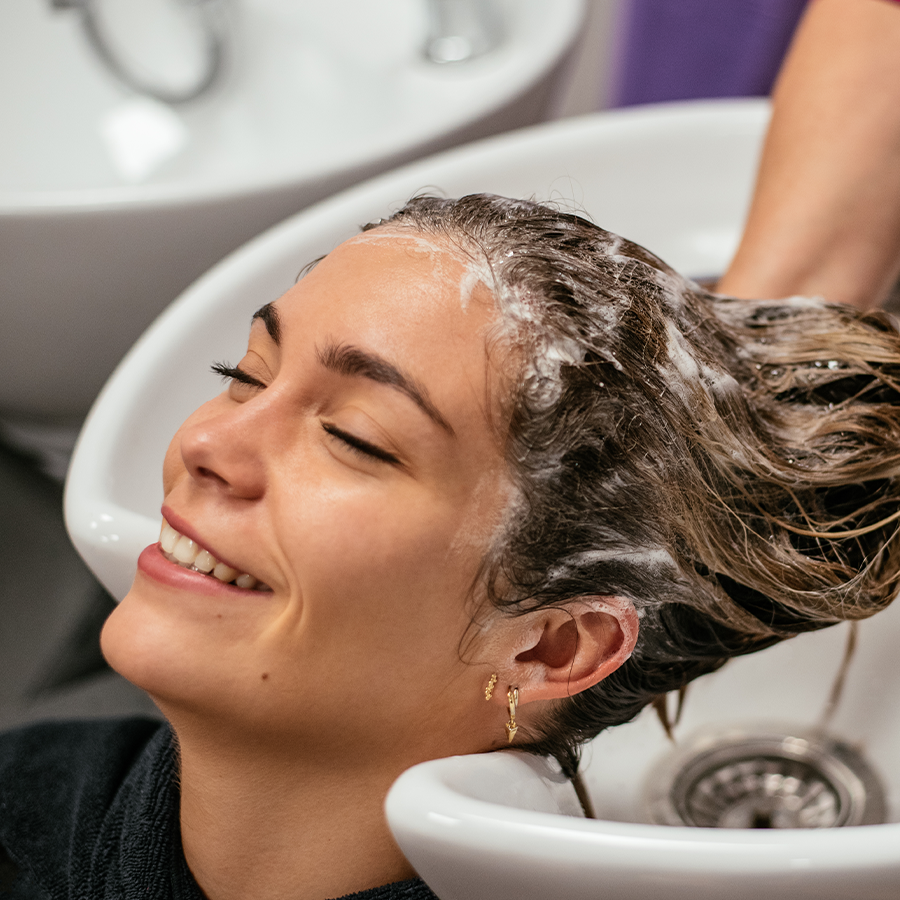
A healthy hair routine is not about buying every product on the shelf. It is about matching a few reliable steps to your scalp, hair texture, styling habits, and current level of damage. This Hair Care 101 guide explains how to create a simple routine that is easy to repeat and flexible enough to change with your hair.
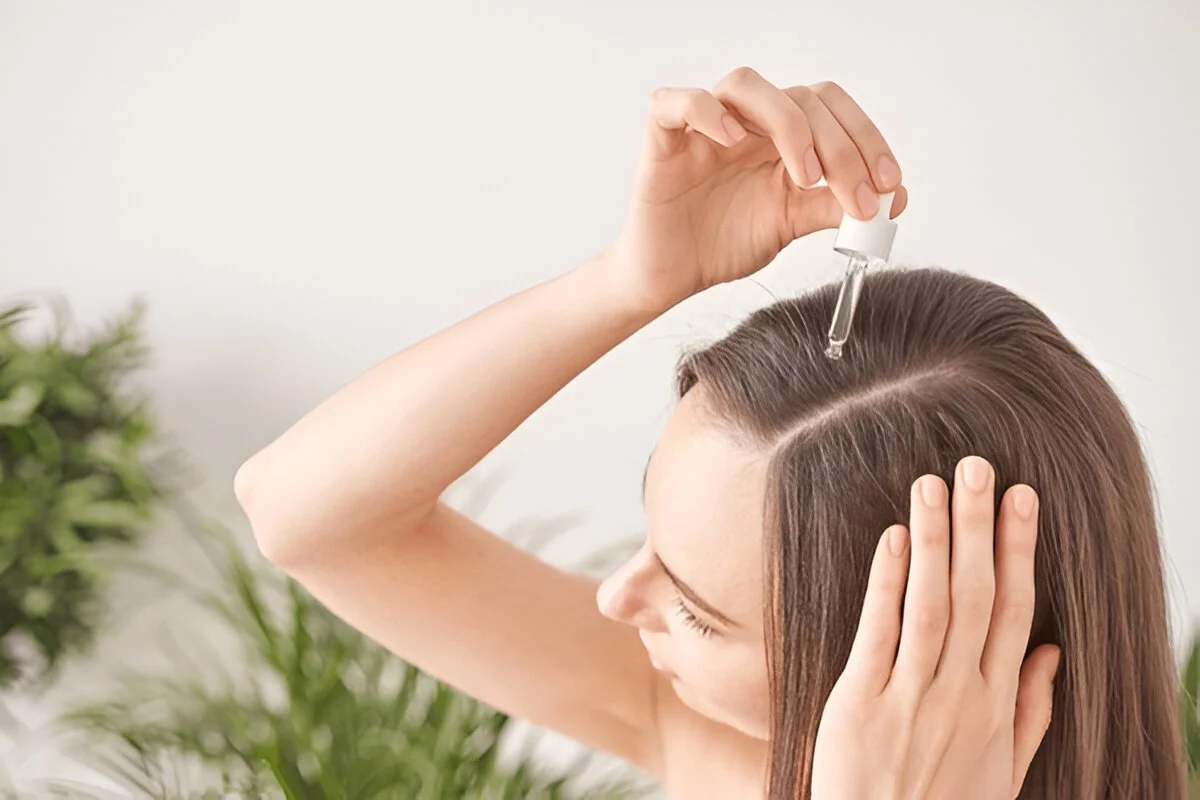
What your routine should solve first
Before choosing products, identify the problem you want to improve. Oily roots need a different approach from dry ends, while color-treated hair usually needs more protection than untreated hair. Start with one or two priorities instead of trying to fix everything at once.
- Roots become oily or heavy quickly
- Lengths feel dry, rough, or tangled
- Hair looks dull after styling
- Breakage appears around the ends or hairline
- The scalp feels uncomfortable or has visible buildup
Step 1: Choose shampoo for your scalp
Shampoo should be selected mainly for the scalp, because that is where oil, sweat, dead skin, and styling residue collect. Fine or oily hair may need a lighter cleanser, while a dry or sensitive scalp often feels better with a gentle formula. Apply shampoo to the roots, massage with your fingertips, and let the rinse clean the lengths without rough scrubbing.
There is no universal number of wash days. Wash when your scalp needs it, and adjust after exercise, hot weather, heavy styling, or swimming. If your hair feels dry after every wash, use less product, reduce water temperature, and concentrate the cleanser at the roots.
Step 2: Condition where hair needs support
Conditioner smooths the lengths, improves slip, and makes detangling easier. Apply it from the mid-lengths to the ends rather than coating the scalp. Leave it on for a few minutes and rinse until the hair feels soft but not coated.
When the ends are very dry, replace regular conditioner with a moisture mask once a week. If hair feels limp or waxy, use a smaller amount and keep rich formulas away from the roots.
Step 3: Match treatment to hair texture
| Hair concern | Helpful focus | Routine adjustment |
|---|---|---|
| Oily roots | Lightweight cleansing | Shampoo the scalp thoroughly; keep oils off the roots |
| Dry ends | Moisture and slip | Condition lengths every wash and add a weekly mask |
| Fine hair | Light layers | Use smaller amounts and avoid heavy leave-ins |
| Curly or textured hair | Gentle handling and hydration | Detangle with conditioner and limit dry brushing |
| Colored or damaged hair | Protection and repair | Reduce heat and space out chemical services |
Product labels can help, but your hair's response matters more than a marketing claim. If a product consistently leaves buildup, stiffness, or irritation, it is not the right fit for your routine.
Step 4: Treat the scalp without overdoing it
A balanced scalp gives the rest of your routine a better foundation. Remove buildup when it is needed, but avoid aggressive scrubbing and frequent strong exfoliation. A calm, comfortable scalp is more important than a complicated detox schedule.
If flaking, pain, persistent itching, or sudden shedding continues, pause experimentation and seek advice from a qualified healthcare professional.
Step 5: Protect hair during drying and styling
Wet hair stretches more easily and can break when brushed roughly. Press out excess water with a soft towel, start detangling at the ends, and work upward in small sections. A wide-tooth comb or flexible brush can reduce pulling.
Before using a dryer, straightener, or curling tool, apply heat protection evenly through the lengths. Use the lowest temperature that gives you the result you want, keep the tool moving, and avoid repeated passes over the same section.
- Let hair partially air-dry before blow-drying
- Use a nozzle to keep airflow moving down the hair shaft
- Choose loose, snag-free ties for daily styles
- Protect long hair from friction while sleeping
Step 6: Create a routine you can repeat
A practical routine might look like this: cleanse the scalp when needed, condition the lengths every wash, use a leave-in when detangling, and apply heat protection before styling. Add a moisture mask weekly if the ends feel dry. Clarify only when buildup is noticeable, then follow with conditioner or a mask.
Consistency matters more than constant product changes. Give a new product several uses unless it causes irritation, and change one thing at a time so you can tell what is helping.
Common mistakes that make hair feel worse
Over-washing the lengths, applying heavy oils directly to an oily scalp, brushing aggressively when wet, and using high heat without protection can all create more dryness and breakage. Another common mistake is using several intensive treatments in one day. Space out clarifying, protein, moisture, and heat-heavy styling so your hair has time to respond.
Build a healthier routine one step at a time
The best hair care routine is the one that keeps your scalp comfortable, your lengths manageable, and your styling habits realistic. Start with gentle cleansing and conditioning, then add targeted treatments only when your hair shows a clear need.
For a weekly plan, see our weekly hair care routine. If your hair is already stressed from heat or color, read our guide to deep treatments for damaged hair. Visit the Hairs Affairs home page for more practical hair-care advice.