
A good hair care routine should feel realistic, not overwhelming. The best plan is not the one with the most products; it is the one that keeps your scalp comfortable, your strands manageable, and your styling habits consistent. Start with our Hair Care 101 basics, then adjust the routine to your needs. Hair Affairs readers often compare shampoos, color products, tools, and treatments, but every smart choice starts with understanding what your hair needs from week to week.
This guide explains how to build a simple weekly routine for healthier-looking hair. It works for many hair types because it focuses on principles: cleanse the scalp, condition the lengths, protect from damage, and adjust when your hair changes. Use it as a flexible framework, then fine-tune it for dryness, oiliness, frizz, color care, or heat styling.
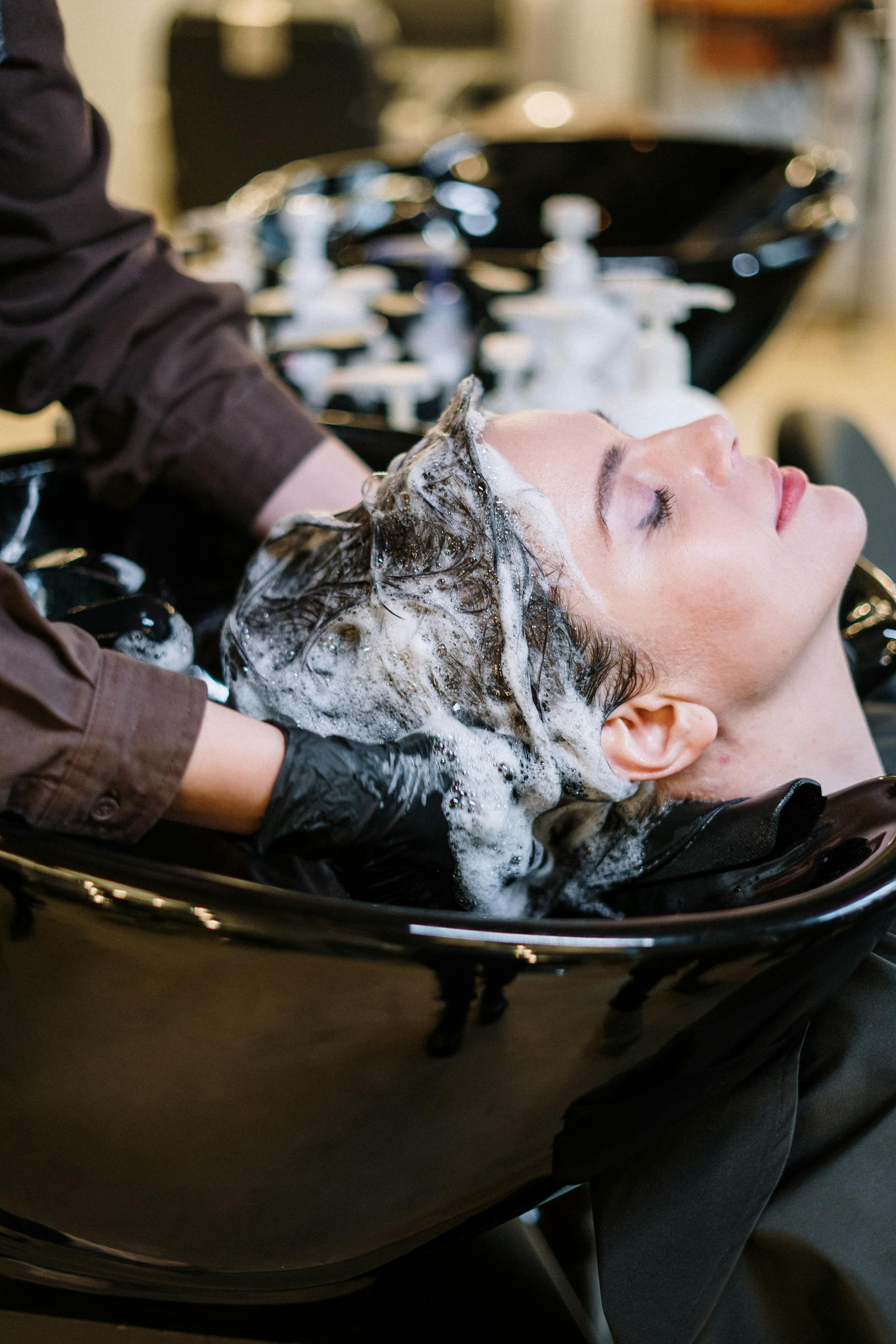
Start With Your Scalp, Not Just Your Ends
Healthy-looking hair begins at the scalp. If the scalp is oily, itchy, flaky, or coated with product buildup, even an expensive conditioner may not make the hair feel fresh. Choose a shampoo based on your scalp first. Fine or oily hair usually benefits from a lightweight cleansing formula, while dry or curly hair may prefer a gentler moisturizing shampoo.
Focus shampoo on the roots and let the lather rinse through the mid-lengths and ends. Scrubbing the ends can make them feel rough, especially if the hair is color-treated or heat-styled. Conditioner should do the opposite: apply it mainly from mid-length to ends, where hair is older and more fragile.
A Weekly Routine That Actually Fits Real Life
Your routine does not need to be complicated. What matters is choosing steps with a purpose and repeating them often enough to see a difference. The table below gives a balanced schedule you can adapt to your wash frequency.
| Routine Step | How Often | Best For | Key Tip |
|---|---|---|---|
| Gentle shampoo | 2-4 times weekly | Scalp freshness and buildup control | Massage roots for at least 60 seconds |
| Conditioner | Every wash | Detangling, softness, and shine | Keep it mostly on mid-lengths and ends |
| Clarifying wash | Every 2-4 weeks | Heavy styling products or dull hair | Follow with a nourishing conditioner |
| Hair mask | Once weekly | Dryness, frizz, or processed hair | Match moisture or repair to your concern |
How to Choose Shampoo and Conditioner
The right shampoo should clean without making the scalp feel tight. The right conditioner should soften without leaving the hair flat. If your roots get greasy quickly, avoid heavy oils near the scalp. If your ends feel brittle, look for formulas with humectants, lightweight oils, proteins, or bond-supporting ingredients.
- Fine hair: choose volumizing shampoo and a lightweight conditioner.
- Curly or coily hair: prioritize slip, moisture, and gentle cleansing.
- Color-treated hair: use color-safe formulas and reduce hot water exposure.
- Damaged hair: rotate moisture with repair-focused treatments.
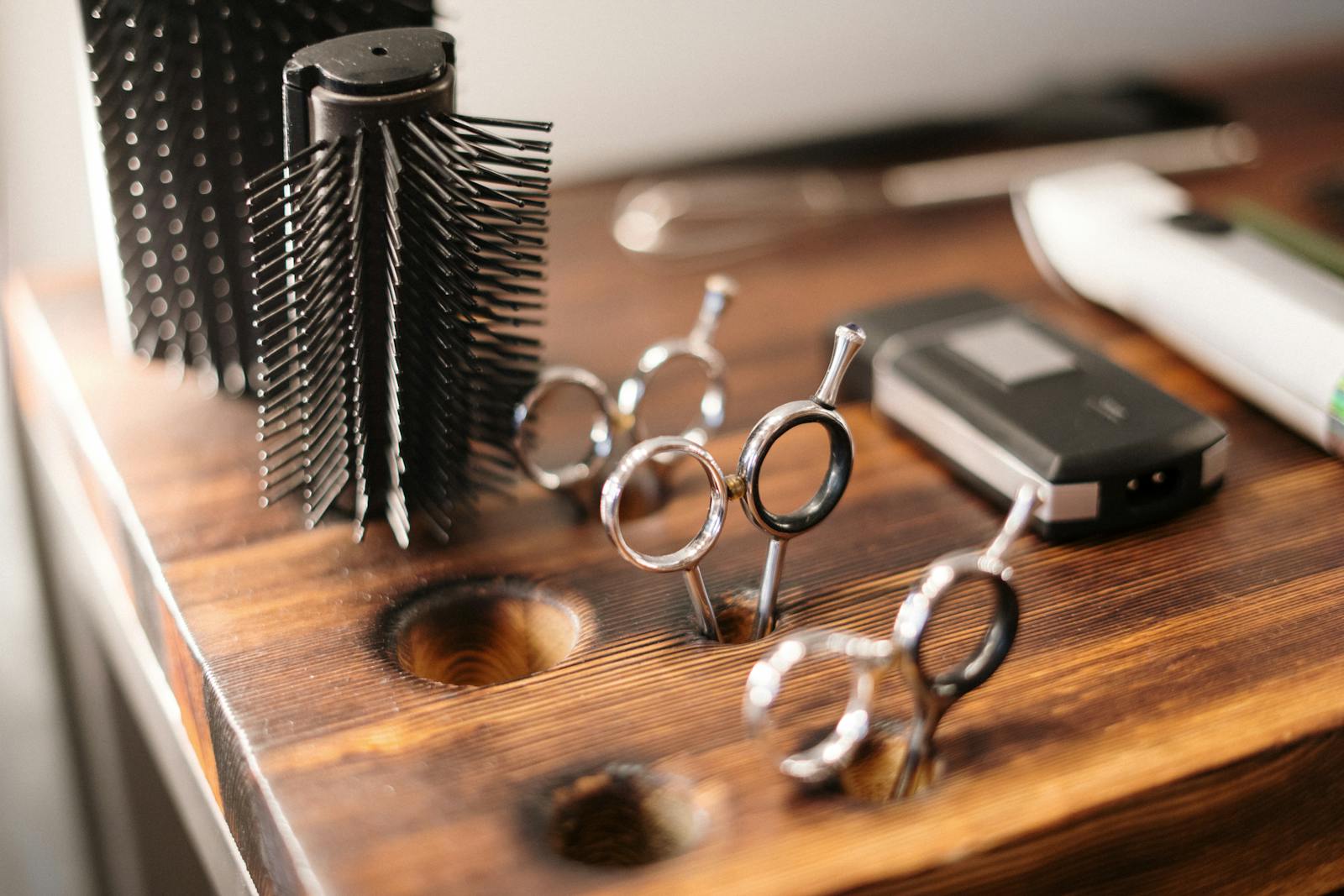
Protect Hair Before Styling
Heat tools, brushing, tight hairstyles, and chemical services can all affect the cuticle. That does not mean you must stop styling your hair. It means you should make protection part of the routine. Apply a heat protectant before blow-drying, straightening, or curling. Detangle gently from the ends upward, and use a wide-tooth comb when hair is wet and fragile.
Small Habits That Reduce Breakage
- Use a microfiber towel or soft cotton T-shirt to blot water.
- Sleep on a smooth pillowcase if your hair tangles overnight.
- Avoid tight elastics in the same spot every day.
- Trim split ends before they travel farther up the strand.
- Let hair air-dry partially before using hot tools.
When Your Routine Needs a Reset
If your hair suddenly feels heavy, sticky, dull, or resistant to styling, you may have buildup from dry shampoo, oils, silicone-heavy products, hard water, or leave-ins. A clarifying wash can help, but it should not become your daily shampoo unless your scalp truly needs it. Follow clarifying with conditioner or a mask so the lengths do not feel stripped.
If the hair feels mushy and overly soft, it may need more strengthening. If it feels stiff and straw-like, it may need moisture. The best routine pays attention to these signals instead of forcing the same products year-round.
Build a Routine You Can Keep
A strong hair care routine is consistent, simple, and responsive. Cleanse the scalp well, condition the areas that need softness, treat once a week, and protect before styling. Product reviews and buying guides are helpful, but the real progress comes from knowing why each step belongs in your routine. When your habits match your hair type and lifestyle, healthier-looking hair becomes much easier to maintain.
Review your routine every season, because humidity, indoor heat, color appointments, and haircut timing can all change what your hair needs.