
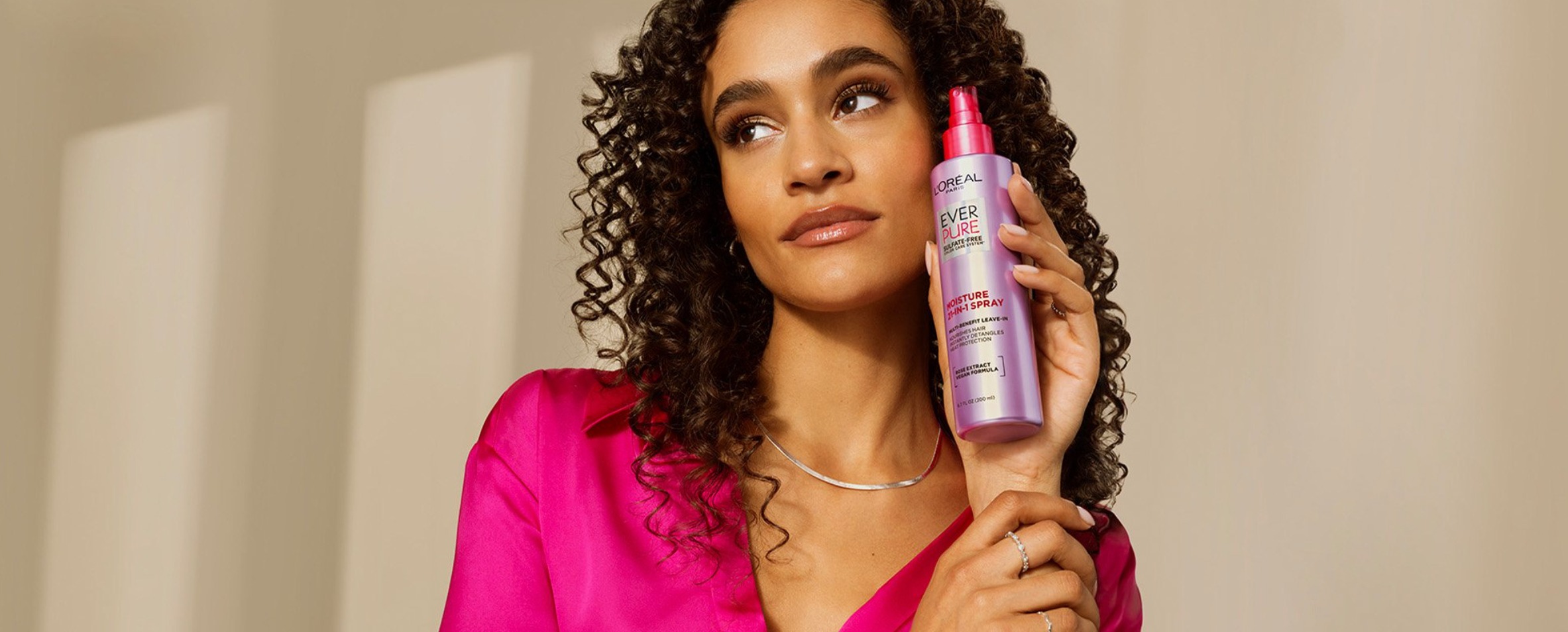
Shopping for hair care can feel like a maze: “repair” vs. “bonding,” “clarifying” vs. “detox,” purple shampoo options, sulfate-free formulas, scalp serums, and enough hair tools to fill a drawer. The good news is you don’t need a 12-step hair care routine to get healthy, shiny hair. You need a routine that matches your hair type, your lifestyle (yes, even your online entertainment lifestyle binge nights), and the results you want—then you buy products that solve specific problems instead of chasing trends.
This buying guide breaks hair care into simple categories: cleansing with shampoos, conditioning with conditioners, scalp care, heat protection, styling, and color maintenance. Use it to build a hair care routine that works whether you’re caring for natural curls, maintaining blonde highlights with blonde shampoo, covering grays, or recovering from heat damage with the right hair products.
Step 1: Identify your “hair profile” before you buy
Most product disappointment happens because the formula doesn’t match your hair profile—and that shows up fast in hair products reviews. Consider these factors:
- Scalp type: oily, dry, sensitive, flaky, or balanced
- Hair texture: straight, wavy, curly, coily
- Strand thickness: fine, medium, thick
- Density: how much hair you have (thin vs. dense)
- Porosity: low (repels water) vs. high (absorbs quickly, loses moisture fast)
- Damage level: heat, bleach, chemical color, or mechanical breakage
- Color status: natural, dyed, blonde/bleached, ombré/balayage, gray coverage
If you’re unsure, start with scalp care needs and damage level—those two determine the most important purchases: shampoos and conditioners.
Step 2: Choose the right shampoo (your routine’s foundation)
Shampoo is not one-size-fits-all. The best shampoo for you depends on how quickly your scalp gets oily, how much product you use, and whether your hair is color-treated (a big factor in any hair color review).

Shampoo types and what they’re for
- Daily/gentle shampoo: for frequent washers, sensitive scalps, and minimal buildup
- Moisturizing shampoo: for dry hair, curls, and high-porosity hair
- Volumizing shampoo: for fine hair that gets weighed down easily
- Clarifying shampoo: for heavy buildup from dry shampoo, oils, silicones, and hard water minerals
- Scalp-focused shampoo: for flakes, itch, and oil imbalance (often with targeted actives)
- Purple shampoo / blonde shampoo: for toning brassiness in blonde, silver, and highlighted hair
Buying tip: If your ends are dry but your scalp is oily, buy for the scalp with the right shampoo. You can always add moisture back with conditioners and leave-ins, but an under-cleansed scalp often leads to limp roots and more frequent washing—something you’ll see echoed across hair products reviews.
Step 3: Conditioner and treatments—where shine and softness are made
Conditioners are your main tool for smoothing the cuticle, reducing friction, and improving detangling—key steps in a solid hair care routine. If you want healthy shiny hair, don’t skip conditioner—even if your hair is fine. Instead, adjust how and where you apply it (mid-lengths to ends, lighter amounts near roots) and pair it with the right shampoos.
What to buy
- Rinse-out conditioner: baseline softness and slip after every wash
- Deep conditioner/mask: weekly moisture boost, especially for curls or color-treated hair
- Bond-building treatment: helpful for bleached hair and frequent heat styling
- Leave-in conditioner: daily manageability, frizz control, and protection
Buying tip: If your hair feels rough right after rinsing, prioritize a richer conditioner or a weekly mask. If it feels soft but looks dull and flat, you may need occasional clarifying shampoo or a lighter conditioner rather than “more repair”—a common takeaway in side-by-side hair products reviews.
Step 4: Scalp care is skin care—treat it that way
A comfortable, balanced scalp supports better-looking hair, and consistent scalp care makes every shampoo and styling product work better. Scalp care doesn’t need to be complicated, but it should be consistent.
- Exfoliating scalp treatment: helps with buildup and flaky patches (use as directed, not daily)
- Scalp serum: for dryness, sensitivity, or oil control depending on the formula
- Scalp massager tool: can improve cleansing and distribution of shampoo without using nails
Step 5: Heat protection and styling—prevent damage before it starts
If you blow-dry, straighten, or curl, heat protection is non-negotiable—especially if you’re investing in hair tools like a dryer or iron. Heat protectants reduce moisture loss and help prevent surface damage that leads to frizz and breakage. Choose a format you’ll actually use: spray for fine hair, cream for thick or curly hair, or a lightweight serum for smoothing.
For styling hair products, buy based on your main goal, and keep buildup in mind so your shampoo can still do its job:
- Frizz control: anti-humidity cream or smoothing serum
- Volume: mousse or root-lift spray
- Definition: curl cream or gel for waves/curls
- Texture: dry texture spray (use lightly to avoid buildup)
Step 6: Color maintenance—purple shampoo, dye care, and dark-hair lightening realities
Color-treated hair needs gentle cleansing and extra conditioning, so choose shampoos and conditioners that support your shade. If you’re maintaining blonde, highlights, or gray, purple shampoo (sometimes called blonde shampoo) can neutralize yellow tones. It’s powerful, so use it strategically: once a week or every other week is often enough, and always follow with conditioner or a mask.
For ombré or balayage, focus on mid-lengths and ends: those areas are typically more porous and prone to dryness, so an ombre hair shampoo approach (gentle cleansing plus targeted conditioning) matters. A routine that includes a weekly mask and a leave-in can keep the gradient looking intentional instead of brassy and brittle.
If you’re shopping for hair dye for dark hair or a hair lightener, set expectations: lifting dark hair to a lighter shade usually requires more than one step, and the aftercare matters as much as the color (a key point in any hair color review). Plan to buy a bond-supporting treatment and a rich conditioner alongside any lightening process.
A simple routine you can follow (and adjust)
Use this as a baseline hair care routine. The goal is consistency, not perfection—and choosing a reliable shampoo, conditioner, and heat protection you’ll actually use.
- Every wash: shampoo (scalp-focused) + conditioner (mid-lengths to ends)
- 1x per week: mask or deep conditioner
- Every 2–4 weeks: clarifying shampoo (more often if you use heavy stylers)
- Whenever you use heat: heat protectant + gentle technique
- As needed: purple shampoo for blondes, scalp treatment for flakes/oil
Quick buying guide table
| Concern | What to buy | How often to use |
|---|---|---|
| Oily roots, flat hair | Gentle or balancing shampoo; lightweight conditioner | Shampoo as needed; clarify every 2–4 weeks |
| Dry ends, frizz | Moisturizing conditioner; leave-in; anti-humidity styler | Condition every wash; leave-in after washing |
| Bleach or heat damage | Bond-building treatment; mask; heat protectant | Treatment weekly; heat protectant every heat session |
| Brassy blonde/gray | Purple shampoo; toning mask; hydrating conditioner | Purple 1x weekly or biweekly |
| Flaky or itchy scalp | Scalp-focused shampoo; gentle exfoliating scalp treatment | Shampoo per routine; exfoliate as directed |
Tool checklist: what’s worth it and what’s optional
Hair tools can upgrade results, but only if they match your habits and your hair care routine. A few high-impact picks:
- Microfiber towel or soft T-shirt: reduces frizz and breakage compared to rough towels
- Wide-tooth comb: safer detangling, especially on wet hair
- Quality blow dryer: faster drying can mean less total heat exposure
- Heat styling tool with adjustable temperature: lets you use the lowest effective setting
- Scalp massager: improves cleansing and feels great during wash days
Final checklist before you hit “buy”
Before adding another bottle to your cart—whether you’re restocking shampoos or impulse-buying after an online entertainment lifestyle scroll—ask:
- Does this product solve a specific problem in my routine?
- Do I need cleansing, moisture, repair, or protection most right now?
- Will I realistically use it weekly (or more), or will it sit unopened?
A strong hair care routine isn’t about having the most products—it’s about having the right products. Start with shampoo, conditioner, and heat protection, then add targeted items like purple shampoo, scalp care, bond treatments, or even hair extensions support products based on your hair’s actual needs.