
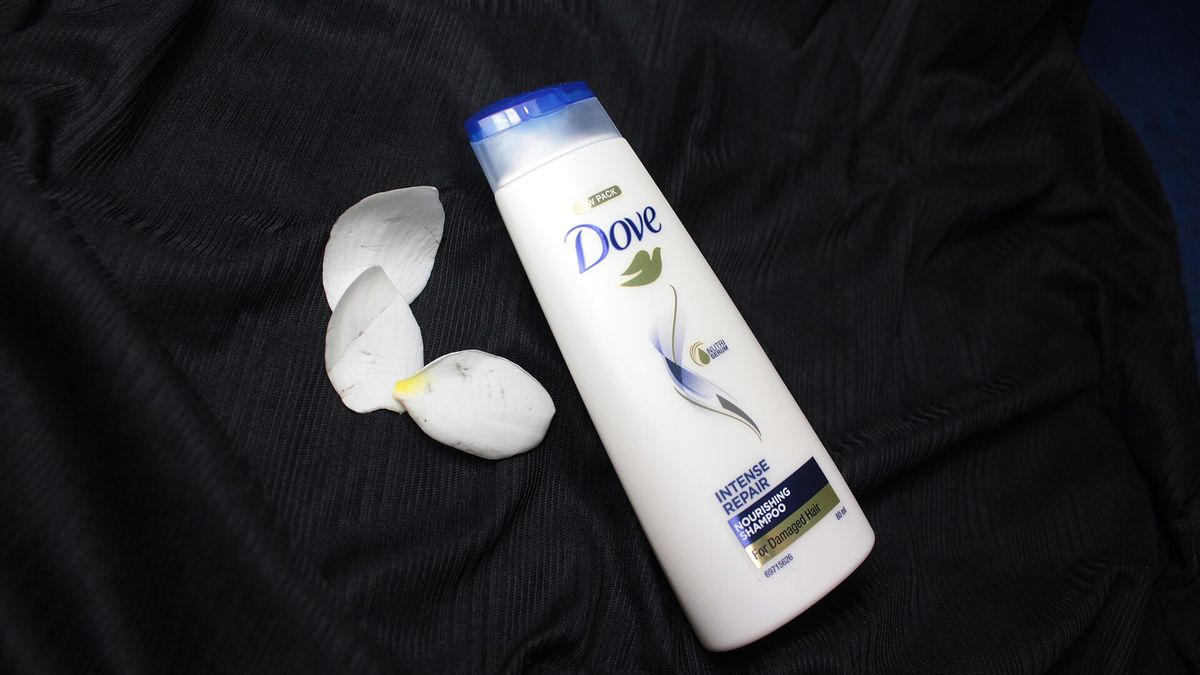
The front of a shampoo bottle is marketing: "repair", "bond building", "salon strength". The back of the bottle is regulated information. Once you know how to read the ingredient list, you can tell in under a minute whether a shampoo is likely to suit your hair, whatever the label promises.
Start with the INCI list order
Most shampoos sold in the EU, UK, US and many other markets list ingredients using INCI names (International Nomenclature of Cosmetic Ingredients). The order is the most useful clue you have:
- Ingredients are listed in descending order of concentration down to about 1%. Water (Aqua) is almost always first, and the next two or three entries are usually the cleansing agents.
- Below 1%, the order can be arbitrary. That is where you find fragrance, preservatives, colourants and the "hero" extracts named on the front.
- If an advertised botanical oil appears after the fragrance (Parfum), it is present in a very small amount.
The cleansers: where most of the difference lies
Surfactants lift oil and dirt so water can rinse them away. They decide how strong a shampoo feels.
Strong cleansers
Sodium lauryl sulfate (SLS) and ammonium lauryl sulfate create rich foam and remove a lot of oil. They suit very oily scalps or an occasional clarifying wash, but they can leave dry, bleached or curly hair rough. Sodium laureth sulfate (SLES) is a milder relative and is still the most common base in everyday shampoos.
Gentler cleansers
Look for cocamidopropyl betaine, sodium cocoyl isethionate, disodium laureth sulfosuccinate, decyl glucoside or coco-glucoside near the top of the list. Many "sulfate-free" formulas rely on these. They foam less, but foam is not a measure of how clean your hair gets.
If your hair is colour-treated or chemically processed, a gentler cleanser is usually the better daily choice. Our guide to shampoos for shiny hair shows how this works in real products.
Conditioning agents: silicones, polymers and oils
Many shampoos also contain ingredients that stay on the hair after rinsing:
- Silicones such as dimethicone and amodimethicone smooth the cuticle, reduce friction and add shine. They are not harmful, but heavy ones can build up on fine hair. Names with "PEG-" or "PPG-" (for example PEG-12 dimethicone) are water-soluble and rinse away more easily.
- Cationic polymers like polyquaternium-10 or guar hydroxypropyltrimonium chloride are what make "2-in-1" products work. They cling to damaged areas of the hair shaft. See our 2-in-1 shampoo and conditioner picks if you want one bottle for both jobs.
- Humectants such as glycerin and panthenol (pro-vitamin B5) attract water and help hair feel softer.
- Proteins such as hydrolyzed keratin, hydrolyzed wheat protein or silk amino acids can temporarily fill gaps in damaged hair. Very porous hair often likes them. Low-porosity hair can feel stiff if it gets too much.
Ingredients to check if you have a sensitive scalp
Fragrance is one of the most common causes of cosmetic contact allergy. In the EU, 26 fragrance allergens (such as limonene, linalool and geraniol) must be named on the label above a set concentration. If your scalp itches after washing, compare the labels of products that cause trouble and look for a shared ingredient.
Preservatives are necessary in any water-based product. Phenoxyethanol, sodium benzoate and potassium sorbate are widely used. Some people react to methylisothiazolinone. In the EU it is no longer allowed in leave-on products, but it can still appear in rinse-off ones such as shampoo.
Symbols and claims on the back of the bottle
- The open-jar symbol with a number like "12M" is the period after opening: how many months the product stays at its best once opened.
- "Sulfate-free" says nothing about mildness on its own. Check which cleanser replaced the sulfate.
- "Natural" and "clean" have no legal definition for cosmetics in most countries. Certification logos from independent bodies mean more than the words.
- "pH balanced" is a useful claim. A slightly acidic shampoo, roughly pH 4.5 to 5.5, helps keep the cuticle flat.
Match the label to your hair type
| Hair or scalp | Look for near the top | Use with care |
|---|---|---|
| Oily scalp, fine hair | SLES or a blend of cleansers; light polymers | Heavy silicones and butters |
| Dry, curly or coily hair | Betaines, isethionates, glucosides; glycerin | SLS as an everyday wash |
| Bleached or colour-treated | Mild cleansers; amodimethicone; proteins | Clarifying formulas more than once a week |
| Sensitive or itchy scalp | Fragrance-free; short ingredient list | Strong fragrance and essential oils |
A one-minute label check
- Read the first five ingredients: water, then the cleansers.
- Find the fragrance. Everything after it is a minor ingredient.
- Look for conditioning agents that suit your hair: silicones for smoothness, humectants for softness, proteins for damage.
- If your scalp is reactive, scan for fragrance allergens and the preservatives you know you react to.
Learning to read a label will not tell you how a shampoo smells or feels. It does stop you paying for a promise the formula cannot keep. For a full routine around your new shampoo, read Hair Care 101, or browse our shampoo reviews.